Introduction to Drone Regulations in Canada
In recent years, the increasing popularity of drones in Canada has necessitated the establishment of comprehensive regulations to ensure the safe integration of unmanned aerial vehicles (UAVs) into Canadian airspace. The Canadian government, through Transport Canada, has implemented a series of laws governing the operation of drones, which are critical for maintaining safety and order in the skies. These regulations are applicable to both commercial and recreational drone operators, thereby ensuring that all users adhere to a consistent set of safety standards.
One of the primary requirements for individuals wishing to operate drones is obtaining a drone pilot certificate. This certification process is designed to ensure that pilots possess the necessary knowledge and skills to operate drones safely. Various training programs are available to assist aspiring pilots in understanding these regulations, which encompass everything from flight operations to airspace rules, and the legal implications of drone use.
The importance of adhering to Canada’s drone regulations cannot be overstated. Neglecting to follow these rules not only poses risks to individuals and property on the ground but can also result in penalties, including fines and revocation of the operator’s certificate. Moreover, following the established guidelines enhances public trust in drones as commercial and recreational tools, promoting responsible flying practices among all pilots. Ultimately, the aim of these regulations is to facilitate a safe, enjoyable, and legally compliant environment for drone enthusiasts across Canada. As such, prospective drone pilots are urged to become well-versed in these essential regulations before embarking on their flying journeys.
Understanding the Two Types of Drone Pilot Certificates
In Canada, aspiring drone pilots must be mindful of the certification requirements set forth by Transport Canada. There are two distinct types of drone pilot certificates that individuals can pursue, each tailored to different operational needs: the Basic Operations Certificate and the Advanced Operations Certificate.
The Basic Operations Certificate is designed for those who plan to conduct low-risk operations of small UAVs (unmanned aerial vehicles). This certificate permits pilots to fly drones in uncontrolled airspace, as long as they maintain visual line of sight and adhere to specific altitudinal and distance restrictions. Pilots with this certificate can engage in various commercial activities, such as aerial photography or surveying, as long as these operations do not involve complex environments or scenarios that could pose safety risks. Moreover, the Basic Operations Certificate is relatively straightforward to obtain, making it ideal for beginners who may be entering the drone flying industry.
Conversely, the Advanced Operations Certificate is intended for those who wish to undertake more complex drone operations in controlled airspace, including near airports or within urban environments. This certificate allows pilots to navigate more sophisticated flight environments and conduct operations that might require special permissions or adherence to additional regulations. To obtain an Advanced Operations Certificate, applicants must demonstrate a higher level of knowledge, including understanding air traffic regulations and navigating complex airspace. Overall, possessing an Advanced Operations Certificate opens up a wider array of opportunities in commercial drone applications, but it requires more preparation and knowledge than its basic counterpart.

Requirements for Obtaining Your Drone Pilot Certificate
In Canada, obtaining a drone pilot certificate is essential for anyone looking to operate drones commercially or for advanced recreational purposes. The certification process consists of two primary types: the Basic Operations Certificate and the Advanced Operations Certificate. Each of these certifications has distinct prerequisites that operators must fulfill.
First and foremost, applicants must be at least 14 years old to apply for the Basic Operations Certificate and 16 years old for the Advanced Operations Certificate. This age requirement ensures that individuals have sufficient maturity and responsibility to handle drone operations effectively.
One of the core components of obtaining either certificate is passing an online exam. The exam tests the applicant’s knowledge of the regulations, airspace classification, weather, and other operational factors pertinent to drone piloting. For the Basic Operations Certificate, the test is straightforward and generally covers basic knowledge about drone operation within controlled and uncontrolled airspaces. Conversely, the Advanced Operations Certificate exam requires a deeper understanding of complex regulations and safety protocols.
For those pursuing the Advanced Operations Certificate, a flight review is mandatory. This review is conducted by a qualified flight reviewer, ensuring that the applicant demonstrates the necessary skills to operate drones safely in more complex environments, which may include flying near people or in controlled airspace.
Additionally, drone registration and proper marking are crucial steps in the certification process. Before operating a drone, pilots must register their aircraft with Transport Canada. Each drone must display a registration number that is easily visible, promoting accountability and ensuring compliance with aviation regulations.
Steps to Get Your Drone Pilot Certificate in Canada
Obtaining a drone pilot certificate in Canada involves a series of methodical steps that ensure prospective pilots meet the regulatory requirements set forth by Transport Canada. The process is designed to enhance safety and competence in the operation of drones. Here are the key steps aspiring drone pilots should follow:
Step 1: Understand the Categories of Certification
In Canada, drone operators must determine which category of drone pilot certificate they require. The two main categories are the Basic Operations Certificate and the Advanced Operations Certificate. Basic operations allow flights in uncontrolled airspace, while advanced operations permit flying in controlled airspaces and closer to people.
Step 2: Study the Relevant Materials
After deciding on the certification level, candidates should review the study materials provided by Transport Canada. This includes resources that cover regulations, airspace classification, weather information, and emergency procedures. Gaining a thorough understanding of these materials will help candidates perform well in the ensuing tests.
Step 3: Complete the Required Training
For the Advanced Operations Certificate, pilots must undergo specific training from an accredited training organization. This training covers practical and theoretical aspects of drone operations, ensuring that pilots are sufficiently prepared for safe flying.
Step 4: Pass the Required Examinations
Candidates must pass the online exam for the Basic certificate, which tests knowledge in drone operation and safety regulations. For the Advanced certificate, a written exam followed by an in-person flight review must be completed successfully.
Step 5: Apply for Your Certificate
Upon successful completion of the training and examinations, candidates can apply for their drone pilot certificate through Transport Canada’s online portal, submitting necessary documentation and fees.
Following these steps diligently will facilitate a smoother application process. It is critical for beginners to remain informed and prepared throughout their certification journey, ensuring compliance with Canadian aviation regulations.
Rules for Flying a Drone in Canada
When it comes to flying drones in Canada, adherence to established rules and regulations is essential for ensuring safety in the airspace and on the ground. One of the primary rules is that drone pilots must maintain a maximum altitude of 120 meters (400 feet) above ground level. Exceeding this height can pose risks to manned aircraft and lead to enforcement actions against the pilot.
Additionally, drone operators are required to keep their aircraft within visual line of sight at all times. This means that pilots must always be able to see their drone without the aid of binoculars or any other visual augmentation. In terms of distance from people, regulations stipulate that drones should not be flown within 30 meters (98 feet) of uninvolved individuals, unless the operator has obtained a special declaration or permission.
It is also critical to understand airspace restrictions. Drones are not permitted to fly in controlled airspace without prior permission from the appropriate authorities, such as NAV CANADA. Certain areas, particularly those in close proximity to airports and heliports, have specific limitations. A minimum distance of 5.6 kilometers (3.5 miles) must be maintained from aerodromes, unless specific exemptions apply.
Furthermore, drone operators are prohibited from flying over crowds or gatherings of people, as this can lead to dangerous situations should an accident occur. It is advisable to conduct thorough pre-flight checks to ensure compliance with these regulations and to consult local laws that may implement additional restrictions. Engaging in responsible flying practices is vital for the safety and enjoyment of drone operation, as well as for maintaining the integrity of the national airspace system.
Do You Need a Certificate for Small Drones?
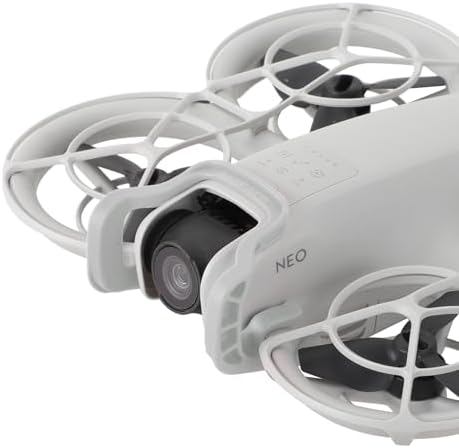
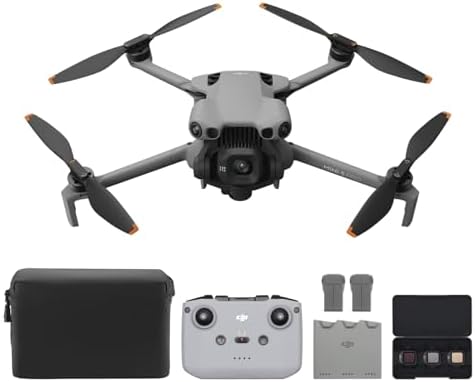
In Canada, the regulatory framework governing the operation of drones is established by Transport Canada, which classifies drones based on weight categories. One significant category is that of small drones, specifically those that weigh less than 250 grams. Understanding whether certification is required for these lighter devices is essential for prospective drone pilots.
According to the current regulations, drones that fall into this lightweight category do not necessitate a pilot certificate or a special operational license. This exemption allows enthusiasts and beginners to operate small drones with relative ease, offering them the opportunities for recreational flying without the burden of stringent certification requirements. However, it is crucial for operators to be aware of and adhere to specific operational limits as outlined by Transport Canada.
Even though a certificate is not mandatory for drones under 250 grams, pilots must still follow the general safety rules provided by Transport Canada. These rules include maintaining visual line of sight with the drone during flight, avoiding controlled airspace, and ensuring that the drone is not flown over people or moving vehicles. While certification is not required, responsible flying and understanding the operational guidelines remain paramount.
Therefore, while it is beneficial for new drone operators to familiarize themselves with the regulations—even if their drone does not require certification—this knowledge will enhance safety measures and promote responsible usage. Ultimately, as technology advances and regulations evolve, these guidelines may alter, making it essential for drone pilots to stay informed.

Conclusion: Fly Safely and Responsibly
As we have explored throughout this guide, obtaining a drone pilot certificate in Canada is not merely a bureaucratic requirement; it is a crucial step towards ensuring safe and responsible flying. The regulations set forth by Transport Canada are designed to protect both the pilot and the general public, and adherence to these guidelines is paramount. When flying drones, it is essential to fully understand not only the operational requirements but also the ethical implications associated with drone usage.
Becoming a certified drone pilot opens up a plethora of opportunities, whether for recreational purposes or professional applications. However, it also comes with significant responsibilities. Each pilot must be aware of their obligations concerning airspace regulations, privacy laws, and community safety norms. A responsible drone operator takes the time to familiarize themselves with the local environment and any restrictions that may apply, especially in urban areas or near sensitive locations.
Additionally, embracing a culture of safety among drone pilots encourages respect toward other airspace users, wildlife, and individuals on the ground. As drones become more integrated into various sectors, from agriculture to filmmaking, the emphasis on safe operation becomes even more crucial.
As you embark on your journey to becoming a certified drone pilot in Canada, it is imperative to approach the process with seriousness and conscientiousness. By doing so, you not only enhance your skills as a pilot but also contribute to a community of responsible drone enthusiasts. Ultimately, prioritizing safety and compliance will ensure a lasting and fulfilling experience in the fascinating world of drone flying.