A pilot’s flight bag can look surprisingly simple from the outside, but every item inside should have a purpose. Depending on the type of flying, a pilot may carry a headset, electronic devices, charging equipment, documents, backup tools and a few practical items that make long days around aircraft easier.
There is no universal flight bag that every pilot packs in exactly the same way. A student pilot flying a small training aircraft has different needs from a professional pilot operating multi-day trips. This guide explains the common categories of gear and why pilots may carry them.
Quick answer: A practical pilot flight bag often contains required documents, a headset when appropriate, flight-planning or navigation resources, a tablet or other approved tools, charging equipment, writing supplies and a few personal essentials. The exact contents depend on the aircraft, operation, regulations and individual pilot.
What Is a Pilot Flight Bag?
A flight bag is simply a bag used to organize the equipment and personal items a pilot wants or needs during flight operations.
Historically, flight bags could become quite heavy because pilots carried paper charts, manuals and other printed material. Digital tools have changed how many pilots organize information, although requirements and procedures depend on the type of operation.
The purpose of a good flight bag is not to carry as much equipment as possible. It is to keep useful items organized and accessible.
What Pilots May Carry at a Glance
| Item | Why It May Be Useful |
|---|---|
| Required Documents | Licensing, identification and operational requirements as applicable |
| Aviation Headset | Communication and hearing protection in appropriate aircraft |
| Tablet / EFB | Approved or appropriate access to charts, documents and planning tools |
| Charging Equipment | Keeping electronic equipment powered |
| Pen and Notepad | Quick notes, clearances and other information |
| Flashlight | Useful during low-light and nighttime operations |
| Sunglasses | Comfort and visibility in bright conditions |
| Personal Essentials | Comfort during longer operating days |
1. Pilot Documents
The most important things in a flight bag are not necessarily the most expensive.
Pilots need to ensure they have the documents and information required for the operation they are conducting.
Requirements differ according to jurisdiction, licence, aircraft and type of operation, so pilots should rely on current regulations and their organization’s procedures rather than a generic packing list.
Before thinking about accessories, verify the documents and operational information required for the flight. A premium flight bag cannot replace something you are legally required to have.
2. Aviation Headset
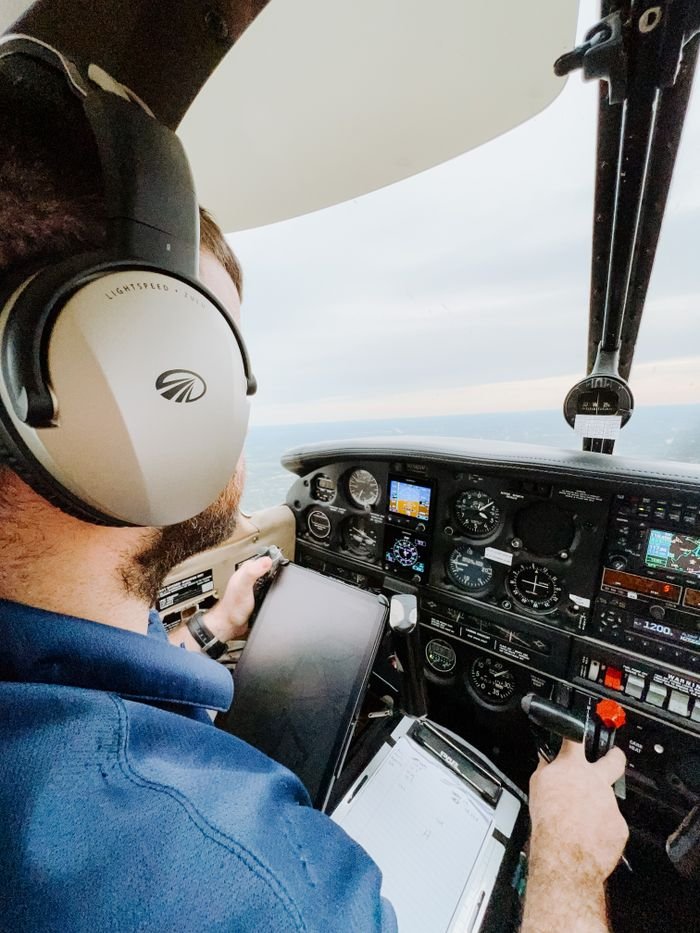
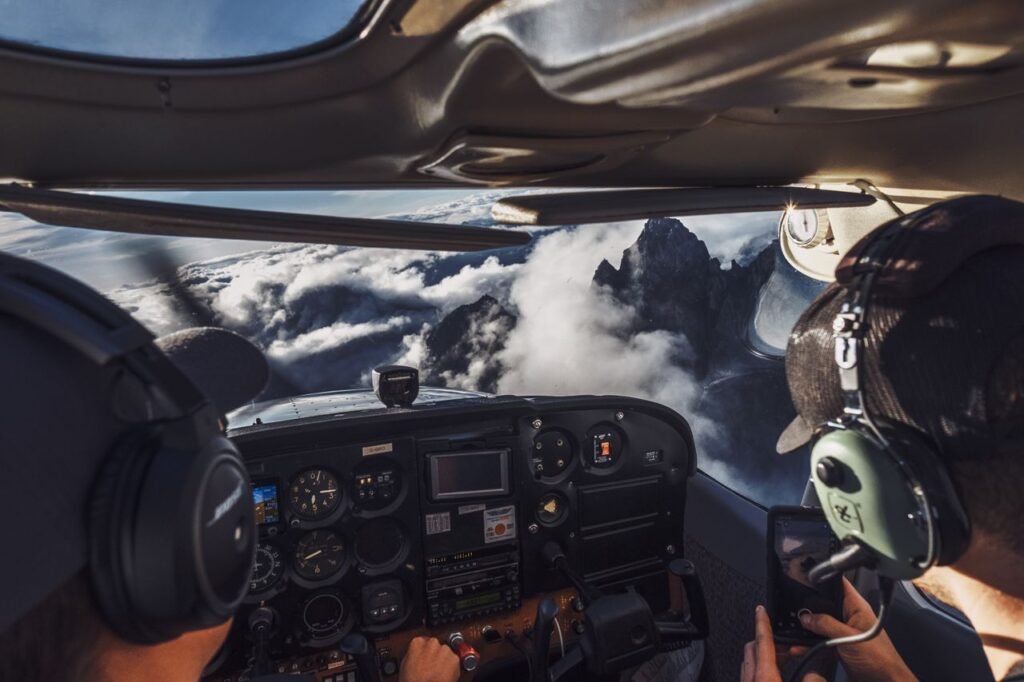
For many pilots, a headset is one of the most recognizable pieces of aviation equipment.
In aircraft where headsets are used, they support communication while also helping reduce exposure to cockpit noise.
Headsets vary significantly in price, comfort, weight, microphone design and noise-reduction technology.
Student pilots do not necessarily need to purchase the most expensive headset available before their first lesson. Some flight schools may have equipment available, allowing a new student to gain experience before deciding what features matter most.
3. Tablet or Electronic Flight Bag
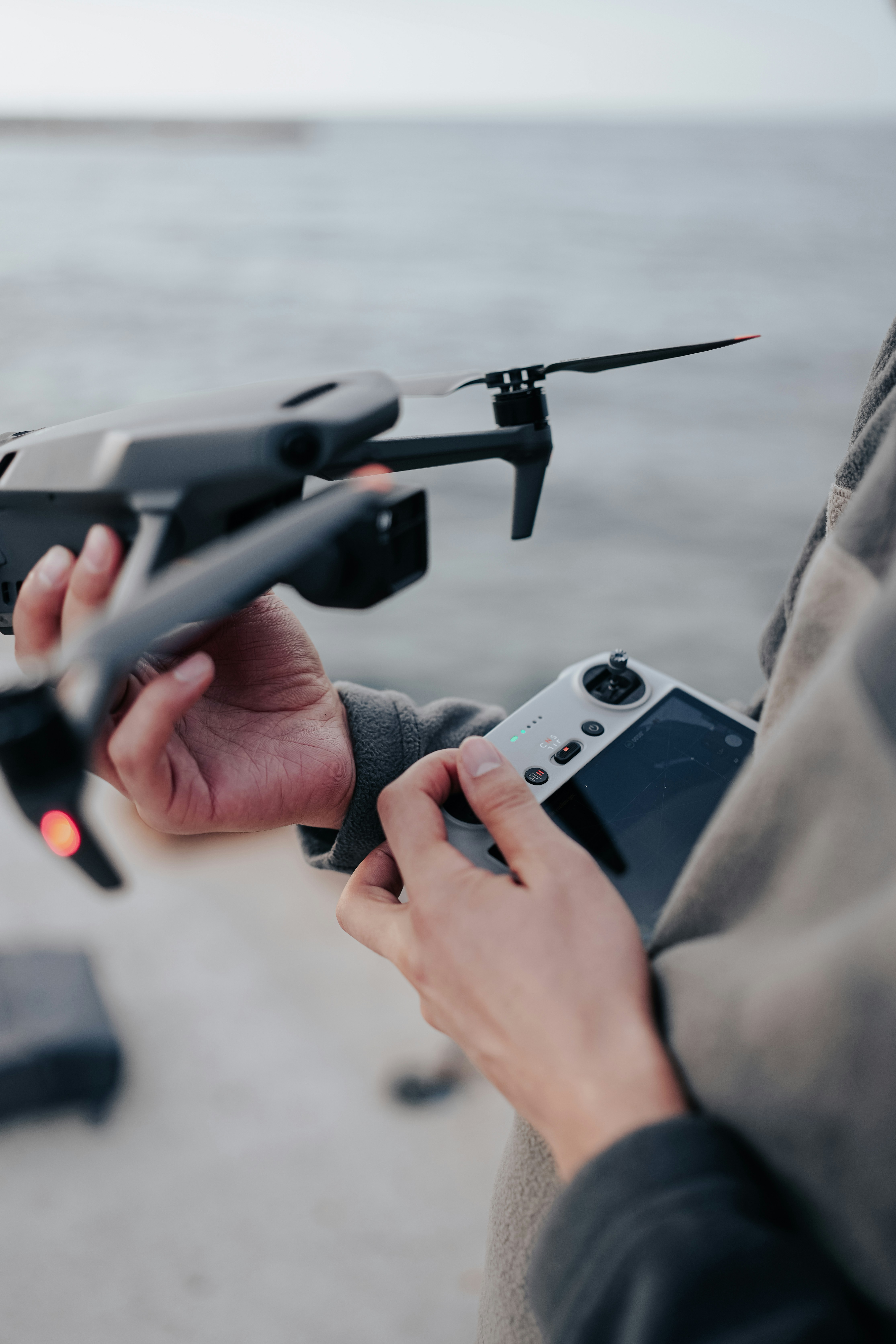
Tablets have become common tools in modern aviation because they can provide convenient access to information and aviation applications.
Depending on the operation and applicable approvals, electronic systems may be used for charts, documents, planning, weather information and other aviation resources.
However, simply owning a tablet does not automatically make it an approved replacement for every document or tool.
Pilots need to understand the rules and procedures that apply to their specific operation.
4. Charging Cable and Power Equipment
Electronic tools are only useful when they have power.
If a pilot relies on a tablet, phone, headset or another rechargeable device, charging equipment becomes an important part of preparation.
The correct solution depends on the equipment and aircraft. Not every power accessory is appropriate for every aviation environment.
Before a flight, devices should be adequately charged rather than relying exclusively on charging during the trip.
5. Pen and Small Notepad
One of the least expensive items in a flight bag can also be one of the most useful.
Even in a highly digital cockpit, a pen and small notepad can be convenient for quickly recording information.
Many pilots carry more than one pen simply because small items have a habit of disappearing when you need them.
Keep a dedicated pen in the same pocket of the flight bag. Small habits like this reduce unnecessary searching when you are busy.
6. Flashlight
A compact flashlight can be useful for pilots operating around aircraft in low-light conditions.
It may help during preflight activities, when checking equipment or simply moving around a dark ramp.
Pilots who regularly operate at night may choose lighting equipment suited specifically to their operational needs.
As with any equipment, it should be checked periodically rather than being forgotten at the bottom of the bag with a dead battery.
7. Sunglasses
Bright sunlight can create significant glare in and around an aircraft, so sunglasses are a common item in many flight bags.
Comfort, optical quality and compatibility with the headset are practical considerations.
Very thick temples, for example, may affect the seal of some over-ear headsets.
Lens characteristics also matter in aviation environments where pilots may need to clearly read displays and instruments.
8. Water
Flying can involve long periods in dry cabin environments, warm ramps and busy schedules.
Having access to water can be a simple part of preparing for the day, subject to airport security procedures and operational limitations.
The ideal bottle is practical, secure and unlikely to leak inside a bag containing electronics.
9. Snacks
A flight schedule does not always align perfectly with meal times.
Depending on the operation, pilots may carry simple snacks for longer days or unexpected delays.
Choose items that are easy to store and unlikely to create a mess around documents or electronics.
10. Phone
A smartphone is already part of everyday life, and it can also be useful during aviation-related activities.
Depending on the situation, pilots may use phones for communication, accessing appropriate information, transportation, scheduling or other logistical tasks.
As with a tablet, a personal phone should not automatically be assumed to satisfy operational equipment or information requirements.
11. Backup Charging Cable
Cables are small, inexpensive and easy to damage or forget.
Keeping an appropriate backup cable can be useful when traveling, particularly if electronic devices are an important part of your workflow.
Labeling cables or keeping them in one dedicated section of the bag can prevent unnecessary clutter.
12. Spare Batteries When Appropriate
Some aviation equipment uses replaceable batteries.
Carrying suitable replacements can be useful, but batteries must be stored and transported appropriately.
Airline passengers should also follow current rules concerning battery types and baggage placement when traveling commercially.
13. Cleaning Cloth
A microfiber cloth takes almost no space but can be useful for sunglasses, screens and other appropriate surfaces.
Avoid using random abrasive materials on lenses or displays. Follow the manufacturer’s cleaning recommendations for sensitive equipment.
14. Small Personal Essentials
A pilot’s bag does not need to contain aviation equipment exclusively.
Depending on the length of the day, personal items can make the work environment more comfortable.
Examples may include:
- Lip balm
- Small hand sanitizer
- Tissues
- Personal medication
- Small hygiene items
The exact contents should reflect individual needs without turning the flight bag into unnecessary luggage.
15. Weather-Appropriate Items
Pilots may spend time outside the aircraft during preflight inspections, fueling, loading or other activities.
Weather at the destination can also be very different from conditions at departure.
Depending on the season and operation, gloves, a compact outer layer, sunscreen or other weather-related items may be useful.
16. Do Pilots Still Carry Paper Charts?
The answer depends on the operation.
Electronic aviation information has reduced the amount of paper many pilots carry, but requirements, approvals, company procedures and individual operating practices vary.
The important question is not whether paper or digital is more modern. The important question is whether the pilot has the required, current and appropriate information available in an acceptable form.
17. What Does a Student Pilot Need?
A student pilot generally does not need to buy everything seen in a professional pilot’s bag.
Start Simple
- Required documents
- Items specifically requested by the flight school
- Notebook and pens
- Appropriate training materials
- Headset if needed and not supplied
- Weather-appropriate clothing
- Basic personal essentials
Ask your instructor before buying expensive aviation equipment. After a few lessons, you will have a much better understanding of what you actually need.
18. What About Professional Pilots?
Professional pilots may organize their bags very differently depending on whether they operate short local flights, multi-day trips, airline schedules, corporate aircraft or other operations.
Company-provided equipment and operating procedures can also determine what needs to be carried personally.
This is why copying someone else’s exact flight-bag setup is not always useful.
19. Don’t Overpack Your Flight Bag
It is easy for aviation gear to accumulate.
Every few months, review what is actually inside your bag. If an item has been carried for a long time without ever being useful, consider whether it still deserves the space and weight.
Frequently used items should be easy to reach. Rarely used items can be placed deeper in the bag or removed if they are unnecessary.
Give important items a permanent location inside the bag. When your headset, documents, pen and charging equipment always go back to the same place, it becomes easier to notice when something is missing.
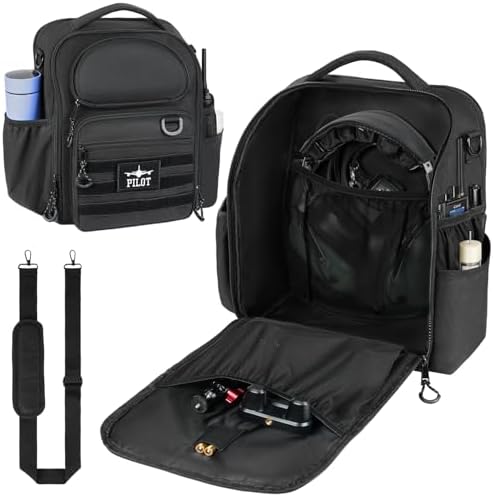
20. Choosing the Right Flight Bag
A good flight bag does not need to have dozens of pockets or look complicated.
Think about what you actually carry and choose a bag that keeps those items organized without being unnecessarily large.
Useful characteristics can include:
- Comfortable handles or shoulder straps
- Easy access to frequently used items
- Protection for electronics
- Secure compartments
- A size appropriate for your operation
- Durable construction
If you travel as an airline passenger with the bag, also consider the applicable carrier’s baggage limitations.
Example: Simple Flight Bag Organization
📄 Quick-Access Area
Frequently needed documents, pens and small items that should be easy to reach.
🎧 Main Compartment
Headset and larger aviation equipment that needs protection.
📱 Electronics Area
Tablet, cables and appropriate charging accessories kept organized.
🧴 Personal Pocket
Small personal items kept separate from important electronics and documents.
What Should You Buy First?
If you are just beginning flight training, resist the temptation to buy an entire pilot setup immediately.
Start with whatever your school says is required. Use your first lessons to understand what would genuinely make training easier.
A quality item that solves a real problem is usually a better purchase than five aviation accessories bought simply because they look useful.
Frequently Asked Questions
What should a student pilot carry in a flight bag?
Start with the documents, study materials and equipment required by your flight school and applicable regulations. A notebook, pens and appropriate personal essentials can also be useful.
Does every pilot need to own a headset?
Not necessarily. Equipment arrangements vary by aircraft, school and operation. Some training organizations may provide headsets, while other pilots prefer to own one that fits their personal needs.
Why do pilots carry tablets?
Tablets can provide convenient access to aviation applications, information, documents and planning tools when appropriate for the operation. Their permitted use depends on applicable requirements and procedures.
Do pilots need expensive flight bags?
No. Organization, durability and suitability for the equipment being carried are more important than simply buying an expensive aviation-branded bag.
Should a new student buy all their aviation gear before training?
Usually there is little reason to buy everything immediately. Ask the flight school what is required and use early lessons to identify which additional items would actually be useful.
A Good Flight Bag Is Simple, Organized and Purposeful
The best flight bag is not necessarily the one containing the most aviation gear. It is the one that keeps required and useful items organized, protected and easy to find.
Start with what your operation actually requires, add equipment when it solves a real need and periodically remove unnecessary items. In aviation, good organization is usually more valuable than simply carrying more stuff.