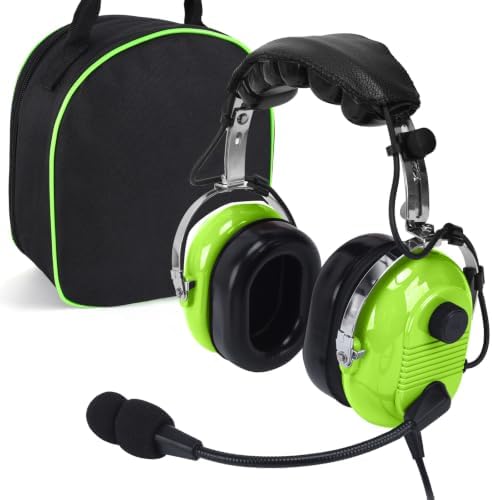
An aviation headset is one of the most important pieces of personal equipment a pilot may use in the cockpit. It helps make radio communication easier to understand while reducing exposure to the constant noise produced by the aircraft environment.
But aviation headsets range from relatively simple passive models to premium active-noise-reduction headsets with Bluetooth, multiple power options and advanced audio features. So how do you decide which one is right for you?
This guide explains the most important features to consider before buying an aviation headset, whether you are a student pilot, private pilot or someone who spends many hours in the cockpit.
Quick answer: Choose an aviation headset based on noise reduction, comfort, microphone quality, connection type, durability, power requirements and how many hours you expect to fly. Student pilots do not necessarily need the most expensive headset available, while pilots who fly frequently may place much more value on ANR, low weight and long-session comfort.
Why Does an Aviation Headset Matter?
Aircraft cockpits can be noisy environments. Engine, propeller and airflow noise can make communication more difficult and create fatigue during longer flights.
An aviation headset serves two major purposes: reducing unwanted cockpit noise and allowing the pilot to communicate clearly through the aircraft’s intercom and radio system.
That makes a headset very different from ordinary consumer headphones.
1. Aviation Headset vs Regular Headphones
Consumer headphones may offer excellent music quality and noise cancellation, but an aviation headset is designed around cockpit communication.
Aviation headsets typically include a boom microphone and connections designed for compatible aircraft audio systems.
They are also built with the noise characteristics and operating environment of aviation in mind.
Regular consumer headphones should not automatically be treated as a substitute for an appropriate aviation headset.
2. ANR vs Passive Aviation Headsets
One of the first decisions you will encounter is whether to buy an active noise reduction headset or a passive headset.
🎧 ANR
Active Noise Reduction uses electronics to help reduce unwanted cockpit noise in addition to the headset’s physical isolation.
🔇 Passive
Passive Noise Reduction relies primarily on the physical ear seals, headset design and fit to reduce surrounding noise.
3. How Does ANR Work?
Active noise reduction uses microphones and electronic processing to detect portions of the surrounding noise and generate an opposing signal designed to reduce the perceived sound.
In an aviation environment, ANR can be particularly useful against persistent low-frequency cockpit noise.
The technology does not make the cockpit completely silent, nor should a pilot expect it to eliminate every sound.
The goal is to reduce unwanted noise while maintaining useful communication and appropriate situational awareness.
4. Is ANR Worth It?
For pilots who spend significant time flying, ANR can be a valuable feature.
Reducing continuous cockpit noise can make longer flights more comfortable and may make radio communication easier to understand.
However, ANR headsets generally cost more than basic passive models.
For a new student pilot working with a limited budget, a quality passive headset can still be a practical way to begin.
Think about cost per hour, not just purchase price. A premium headset can look expensive when purchased on day one, but the calculation changes if you expect to use it for hundreds or thousands of flight hours.
5. Comfort Is More Important Than It Looks
A headset may feel perfectly comfortable during a five-minute test and become annoying after two hours.
Long-term comfort depends on several factors:
- Headset weight
- Clamping pressure
- Ear-cup design
- Ear-seal material
- Headband padding
- Heat around the ears
- How the headset fits with glasses or sunglasses
If you frequently fly longer legs, comfort can become one of the most important reasons to choose one headset over another.
6. Pay Attention to Clamping Pressure
Passive headsets often depend heavily on a good physical seal around the ears.
A strong seal can help reduce noise, but excessive clamping pressure can become uncomfortable during longer flights.
Different head shapes also mean the same headset may feel excellent to one pilot and uncomfortable to another.
Whenever possible, trying a headset before buying can be extremely useful.
7. Weight Matters on Long Flights
A difference that seems small on a specification sheet can become more noticeable after several hours.
But weight alone does not determine comfort.
A slightly heavier headset with excellent weight distribution may feel better than a lighter model that creates uncomfortable pressure in one area.
Treat published weight as one part of the comfort equation rather than the entire answer.
8. Don’t Forget Your Glasses or Sunglasses
Pilots frequently wear sunglasses, prescription glasses or both.
The arms of your glasses pass between your head and the headset’s ear seals. Depending on the combination, this can affect comfort and the quality of the seal.
If you normally fly wearing glasses, evaluate a headset while wearing them whenever possible.
9. Microphone Quality Matters
The microphone is one of the biggest differences between an aviation headset and ordinary headphones.
A good aviation microphone should allow your voice to be transmitted clearly in a noisy cockpit environment.
Proper microphone positioning is also important. Follow the manufacturer’s instructions for placing the microphone relative to your mouth.
A great headset used with a poorly positioned microphone can still produce disappointing communication.
10. Understand Aviation Headset Plugs
Not every aircraft uses the same headset connection.
Before buying, make sure the headset configuration is compatible with the aircraft you expect to fly.
Dual GA Plugs
Dual plugs are common in many general aviation airplanes.
The headset uses separate plugs for headphone audio and microphone communication.
LEMO / Panel-Powered Connections
Some aircraft are equipped with compatible panel-powered headset connections.
Depending on the headset and installation, this type of connection may provide power from the aircraft rather than relying solely on headset batteries.
Other Aircraft Connections
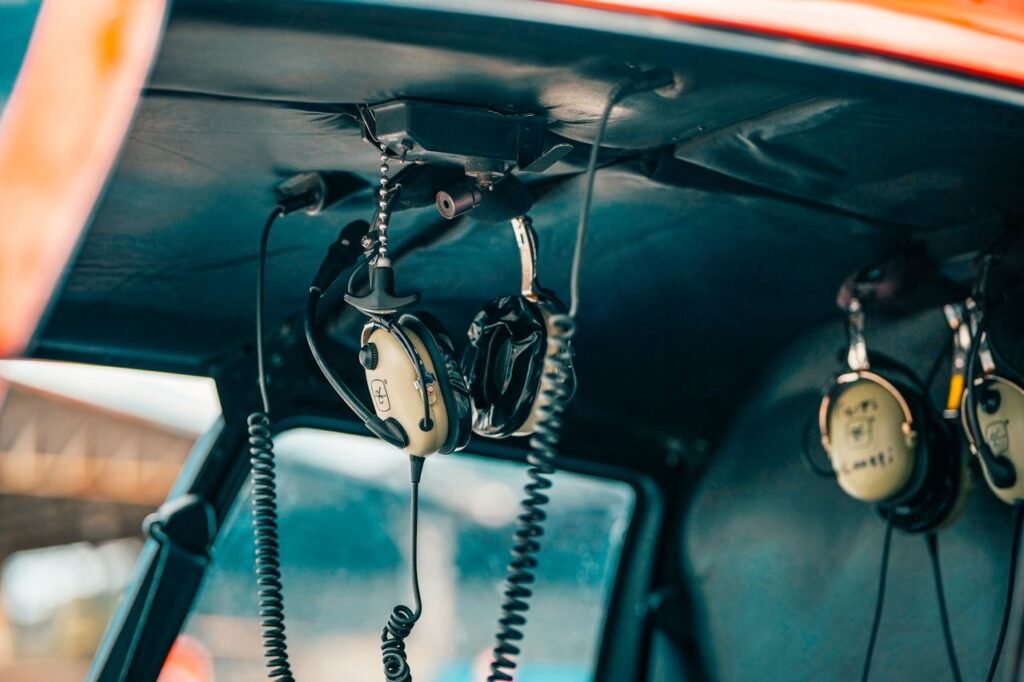
Helicopters and other aircraft can use different connector configurations.
Never assume that a headset advertised for aviation will automatically connect directly to every aircraft.
Check the exact aircraft you normally fly and confirm its headset connection. Choosing the wrong plug configuration can create unnecessary adapters and inconvenience.
11. Battery Power vs Panel Power
Electronic ANR headsets require power for their active features.
Depending on the model and connection, that power may come from batteries, a compatible aircraft connection or another manufacturer-supported power arrangement.
If your headset uses replaceable batteries, carrying a spare set in your flight bag is a simple habit worth considering.
12. What Happens If an ANR Headset Loses Power?
The exact behavior depends on the headset design.
In many aviation headsets, loss of power affects electronic features such as active noise reduction, while passive acoustic properties remain.
However, you should check the documentation for the specific headset rather than assuming every model behaves identically.
13. Is Bluetooth Important?
Bluetooth can be a useful feature, but whether you need it depends on your workflow.
Compatible headsets may use Bluetooth for functions such as connecting to a phone, tablet or other supported device.
Pilots may value this for certain audio applications or communications, depending on the headset and operating context.
However, Bluetooth should not be the main reason to ignore more fundamental considerations such as comfort, noise reduction, microphone performance and aircraft compatibility.
14. Music in the Cockpit
Some aviation headsets support auxiliary or Bluetooth audio.
Whether and when entertainment audio is appropriate depends on the phase of flight, operation, regulations and pilot responsibilities.
Operational communication and situational awareness always take priority over entertainment.
15. Mono vs Stereo
Some aviation audio installations operate differently from the stereo audio systems people are familiar with at home.
Many aviation headsets provide options designed to work with compatible mono or stereo aircraft installations.
Check the headset documentation and aircraft audio-panel configuration if this feature matters to you.
16. Durability Is Part of the Price
Aviation headsets live a harder life than many home electronics.
They may be placed in flight bags, transported between aircraft, exposed to temperature changes and used repeatedly for years.
Look beyond cosmetic design and consider:
- Build quality
- Cable construction
- Ear-seal replacement
- Microphone boom durability
- Availability of replacement parts
- Warranty
- Manufacturer support
A headset that can be maintained over time may offer better long-term value than a cheaper model that is difficult to repair.
17. Replaceable Ear Seals Matter
Ear seals wear over time.
They can become compressed, damaged or less comfortable after extensive use.
Being able to replace common wear items can extend the useful life of a headset and restore comfort without replacing the entire unit.
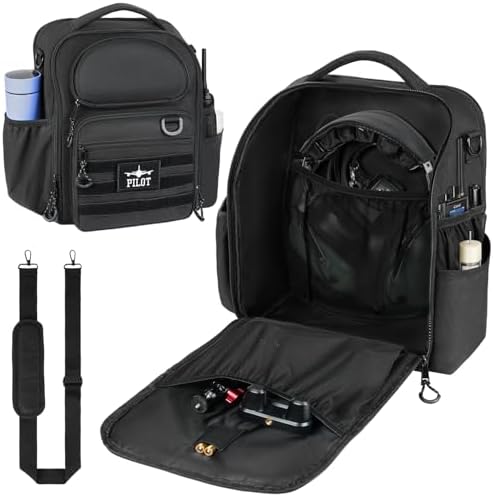
18. Headset Case and Storage
A headset is easy to damage when it is thrown into a flight bag without protection.
A protective case can help protect the ear cups, microphone, control module, cables and plugs during transportation.
Avoid tightly wrapping cables around the headset if the manufacturer advises against it. Repeated stress near cable connections can eventually become a problem.
19. Best Headset Type for Student Pilots
Student pilots have an interesting decision because they may not yet know how far they will go in aviation.
There are two reasonable approaches.
💰 Start Affordable
Buy a quality basic headset, complete the early stages of training and upgrade later if flying becomes a long-term activity.
🎧 Buy Long-Term
Invest in a premium headset early if you are confident that aviation will remain a major part of your life.
Neither approach is automatically correct.
The best decision depends on your budget, commitment to training and expected frequency of flying.
20. Headsets for Private Pilots
A private pilot who flies occasionally may prioritize different features from someone flying several times per week.
For recreational flying, comfort and communication remain important, but the value of premium features depends heavily on how often you actually use them.
Think about the aircraft you fly, typical flight duration and number of annual flight hours.
21. Headsets for Professional Pilots
When a headset is used regularly for work, small comfort differences can become much more significant.
Professional pilots may place additional value on:
- Long-duration comfort
- Low weight
- Reliable microphone performance
- Durability
- Manufacturer support
- Easy-to-replace wear items
- Convenient power management
- Connectivity appropriate to their operation
Again, the correct headset depends on the aircraft and operating environment.
22. Should You Buy the Most Expensive Headset?
Not automatically.
A premium price can bring better materials, advanced ANR, connectivity, lower weight or additional features, but the most expensive headset is not necessarily the best fit for every pilot.
If a less expensive headset is comfortable, compatible with your aircraft and meets your communication needs, it may be the better value for your situation.
23. Premium Aviation Headsets
Pilots researching premium aviation headsets will frequently encounter established product families from manufacturers such as Bose, Lightspeed and David Clark.
Individual models can differ substantially in noise reduction technology, weight, controls, connectivity, plugs, power options and comfort.
That is why comparing specifications and intended use is more useful than simply buying whichever headset has the most recognizable name.
24. Bose Aviation Headsets
Bose is well known in the aviation market for premium active-noise-reduction headsets.
Pilots considering a Bose headset are generally shopping in the premium segment, where comfort, ANR performance, communication and long-term use become major considerations.
When evaluating a specific Bose model, check the current manufacturer’s specifications because available configurations and features can change over time.
25. Lightspeed Aviation Headsets
Lightspeed is another established manufacturer in the aviation headset market and offers headsets aimed at pilots looking for active noise reduction and aviation-specific features.
As with any premium headset, evaluate the specific model rather than making a decision based on the brand alone.
Fit, controls, connectivity and personal comfort can make a significant difference.
26. David Clark Aviation Headsets
David Clark is a long-established name in aviation communication equipment.
Its headsets are familiar to generations of pilots, and the brand offers different options rather than a single headset for every use.
For a new pilot, this is another reminder that “David Clark,” “Bose” or “Lightspeed” describes a manufacturer — you still need to compare the individual headset that fits your needs.
27. Passive Headsets Still Have a Place
Premium ANR models receive a lot of attention, but passive headsets have not suddenly become useless.
A quality passive headset can offer:
- Lower purchase cost
- Simple operation
- No dependence on ANR electronics
- A practical option for training
- A useful backup headset
For some pilots, that combination makes perfect sense.
28. Consider a Backup Headset
Pilots who own an expensive primary headset may still find value in keeping another compatible headset available.
A backup can be useful for a passenger, another pilot or simply as an alternative if your primary headset develops a problem.
An older headset can often continue serving a useful purpose even after you upgrade.
29. Buying Used Aviation Headsets
Buying used can reduce the cost of premium aviation equipment, but inspect the headset carefully.
Consider:
- Overall physical condition
- Ear-seal condition
- Cable damage
- Plug condition
- Microphone operation
- ANR operation when applicable
- Battery compartment condition
- Included accessories
- Remaining warranty, if any
Also verify the exact model and connector configuration before purchasing.
30. Don’t Ignore Warranty and Support
Aviation headsets can represent a significant investment.
Manufacturer support becomes more important when you expect to keep the same headset for many years.
Before purchasing, look at the current warranty terms and availability of service in the country where you live or fly.
31. How Much Should You Spend?
Instead of starting with a fixed dollar amount, start with your use case.
| Pilot Type | What to Prioritize |
|---|---|
| New Student Pilot | Compatibility, communication, durability, comfort and budget |
| Committed Student | Long-term comfort, noise reduction and durability |
| Recreational Private Pilot | Comfort relative to annual usage and aircraft type |
| Frequent Flyer | ANR, comfort, low fatigue and durability |
| Professional Pilot | Long-session comfort, reliability, support and operational compatibility |
| Passenger / Backup | Good communication, reasonable comfort and value |
32. Features Worth Paying More For
Premium features only have value if they improve your actual flying experience.
Depending on your needs, paying more may make sense for:
- Effective ANR
- Lower weight
- Better long-duration comfort
- High-quality ear seals
- Useful Bluetooth connectivity
- Appropriate panel-power options
- Better warranty and support
- Replaceable components
Avoid paying for features simply because they look impressive on a product page.
33. Features You May Not Need
A feature can be excellent and still unnecessary for your situation.
For example, advanced connectivity may matter very little to a student whose main priorities are hearing the instructor and radio clearly.
Likewise, a pilot who flies only occasionally may not value small reductions in weight as highly as someone who wears a headset professionally for many hours.
34. Try Before You Buy When Possible
Headsets are unusually personal products.
Head shape, ear size, glasses and individual sensitivity to pressure can all affect comfort.
If a flight school, aviation store or another pilot gives you an opportunity to try different models, take advantage of it.
Ten minutes cannot reproduce a four-hour flight, but it can reveal obvious fit problems.
35. Questions to Ask Before Buying
Aviation Headset Buying Checklist
- Is it compatible with the aircraft I fly?
- Do I want ANR or passive noise reduction?
- Is it comfortable with my glasses or sunglasses?
- How does the clamping pressure feel?
- Is the headset too heavy for long flights?
- Does it require batteries?
- Is panel power available in my aircraft?
- Do I actually need Bluetooth?
- Are replacement ear seals available?
- How good is the manufacturer’s support?
- What warranty is currently offered?
- Will I still be happy with this headset after hundreds of flight hours?
ANR vs Passive: Which Should You Choose?
| Consideration | ANR Headset | Passive Headset |
|---|---|---|
| Noise Reduction | Uses active electronics plus physical isolation | Relies mainly on physical isolation |
| Price | Usually higher | Often lower |
| Power | Active features require power | Passive noise reduction does not require ANR power |
| Frequent Flying | Often attractive for pilots flying many hours | Still viable depending on preference and aircraft |
| Student Pilot | Excellent if budget allows and long-term use is expected | Practical starting option |
| Backup Headset | Possible but potentially expensive | Often a practical choice |
What Should a First-Time Buyer Prioritize?
Ignore the marketing for a moment and focus on five things:
- Compatibility: it needs to work correctly with your aircraft.
- Communication: you need clear, reliable audio and microphone performance.
- Noise reduction: choose the level and technology appropriate for your environment and budget.
- Comfort: especially if you will fly frequently.
- Durability: aviation equipment is expected to be used repeatedly.
Everything else comes after those fundamentals.
Frequently Asked Questions
What is the best aviation headset for a student pilot?
There is no single best headset for every student. A student should prioritize aircraft compatibility, clear communication, comfort, durability and budget. ANR can be an excellent long-term investment, while a quality passive headset can be a practical lower-cost starting point.
Is an ANR aviation headset worth the money?
It can be, particularly for pilots who fly frequently or spend long periods in noisy cockpits. Whether the additional cost is worthwhile depends on your flying frequency, budget, aircraft and personal comfort preferences.
Can I use Bose consumer headphones as an aviation headset?
Consumer headphones and dedicated aviation headsets are designed for different purposes. An aviation headset includes aviation-compatible communication features and should be appropriate for the aircraft audio system and operation.
What aviation headset plugs do I need?
That depends on the aircraft. Dual GA plugs are common in general aviation, while other aircraft may use panel-powered or different connector configurations. Check the aircraft before ordering your headset.
Do aviation headsets need batteries?
Passive headsets do not require batteries for passive noise reduction. Electronic ANR features require power, which may come from batteries or a compatible aircraft power connection depending on the headset and configuration.
How long should an aviation headset last?
There is no universal lifespan. Usage, care, construction and availability of replacement parts all matter. Ear seals and other wear items may need replacement before the headset itself reaches the end of its useful life.
Should I buy Bose, Lightspeed or David Clark?
All three brands offer aviation products, but the right choice depends on the specific headset rather than the brand name alone. Compare comfort, noise reduction, connection type, power, features, support and price for the models you are considering.
The Best Aviation Headset Is the One That Fits Your Flying
A student flying a few hours each month does not necessarily need the same headset as a professional pilot who wears one for hundreds of hours each year.
Start with compatibility and communication, then consider noise reduction, comfort, weight, durability, connectivity and price.
Premium aviation headsets can be worthwhile investments, but the goal is not to buy the most expensive headset. The goal is to choose equipment that makes sense for the aircraft you fly, the amount you fly and the way you actually use it.