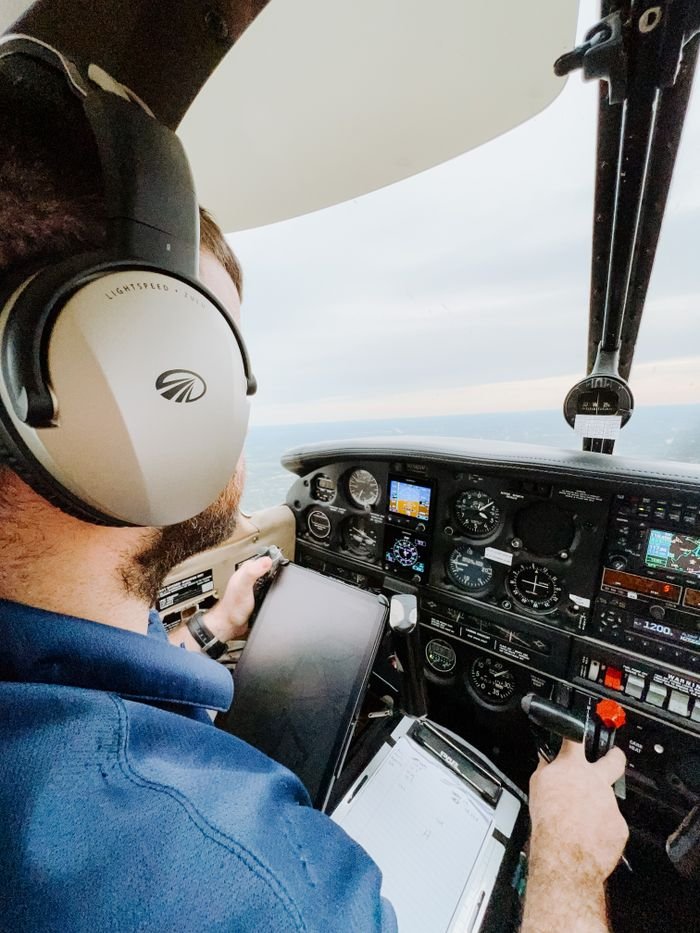
Learning to fly in Canada can begin as a recreational goal and develop into a professional aviation career. But when you first look at flight training, the different permits, licences, medical requirements, exams and flight-hour requirements can make the process seem complicated.
This guide gives beginners a clear overview of the Canadian pilot-training path, from taking an introductory flight to progressing toward a Commercial Pilot Licence.
Quick answer: A typical Canadian training path begins by choosing a flight school and meeting the applicable medical requirements, followed by ground school and flight training. Many students progress through the Private Pilot Licence before continuing toward additional ratings and the Commercial Pilot Licence if professional flying is their goal.
The Pilot Training Path in Canada
Experience a training aircraft before committing to a full program.
Compare aircraft, instructors, availability, location and training structure.
Determine which medical category is appropriate for your intended licence and goals.
Build aviation knowledge while developing practical flying skills.
Meet the applicable requirements for the licence or permit you are pursuing.
Continue training according to the type of flying you want to do.
1. Decide Why You Want to Fly
Before comparing flight schools, decide what you want aviation to become for you.
Someone who wants to fly recreationally has a different objective from a student whose long-term goal is professional aviation.
You do not need your entire career mapped out on day one, but knowing your general direction can help you choose an appropriate training path.
2. Take an Introductory Flight
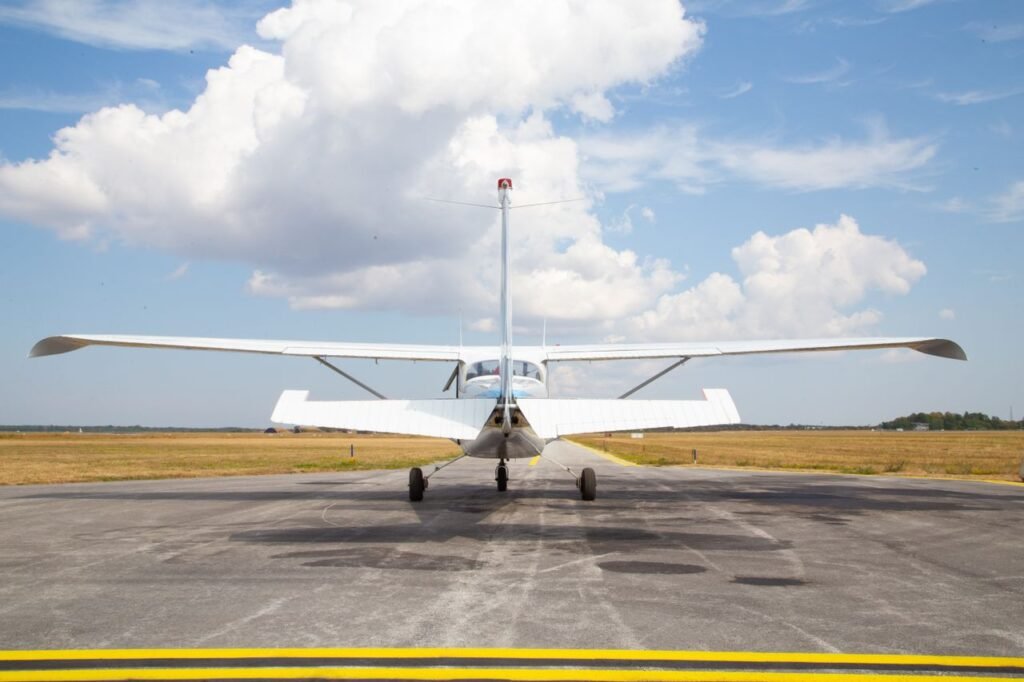
One of the best ways to understand flight training is to experience it. Many flight schools offer an introductory or discovery flight in a training aircraft with an instructor.
Instead of committing immediately to a large training program, this gives you an opportunity to experience the aircraft, training environment and basic controls.
Use an introductory flight to evaluate more than the airplane. Look at how the school communicates, the condition of the facility, instructor availability and how comfortable you feel asking questions.
3. Choose the Right Flight School
Price matters, but the lowest advertised aircraft rate should not be the only factor in choosing a school.
Training consistency can have a major impact on progress. If aircraft or instructors are difficult to schedule, long gaps between lessons can make training less efficient.
When comparing schools, ask about:
- Aircraft availability
- Instructor availability
- Hourly aircraft and instructor rates
- How often students can realistically fly
- Ground school options
- Scheduling and cancellation policies
- Maintenance and operational procedures
- Additional fees beyond the advertised hourly rate
4. Understand Canadian Aviation Medical Requirements
Medical certification is an important part of becoming a pilot in Canada. The medical requirements depend on the permit or licence you intend to hold and the privileges you want to exercise.
If professional flying is your long-term objective, it can be useful to understand the applicable professional medical requirements early in your training rather than discovering a potential issue after making a large investment.
Because medical standards and individual circumstances are specific, use Transport Canada’s current guidance and an appropriate aviation medical professional for medical-certification questions.
5. Ground School: Learning Why the Airplane Flies
Flight training is not only about physically controlling an airplane. Pilots need theoretical knowledge to make safe decisions.
Ground training commonly covers areas such as:
- Aerodynamics and theory of flight
- Aircraft systems
- Meteorology
- Navigation
- Canadian aviation regulations
- Flight operations
- Human factors
The goal is not simply to memorize information for an exam. Understanding these subjects helps explain the decisions you will make in the aircraft.
6. Start Your Flight Training
Early lessons focus on learning how the aircraft responds and building fundamental habits.
Students progressively learn aircraft handling, takeoffs, landings, navigation, emergency procedures and other skills required by the applicable training program.
Your instructor gradually introduces new exercises as your ability and understanding develop.
7. Your First Solo Flight
The first solo is one of the major milestones in flight training.
It happens only after the instructor determines that the student meets the applicable requirements and can safely conduct the flight being authorized.
Reaching solo is not the end of training. It marks a transition where the student begins building additional experience while continuing dual instruction.
8. Private Pilot Licence
The Private Pilot Licence, commonly called the PPL, is a major milestone for people who want to fly privately and is also a common foundation for students continuing toward professional licences.
Obtaining it involves meeting Transport Canada’s applicable knowledge, experience, medical and skill requirements.
Rather than planning your budget around only the regulatory minimum flight experience, remember that students learn at different rates. Actual training time and cost can therefore vary considerably.
When comparing training costs, ask a school what students typically spend from beginning to completion, not only what the regulatory minimum would cost under ideal circumstances.
9. What Comes After the PPL?
That depends entirely on your goal.
A recreational pilot may simply continue building experience and exploring new destinations. Other pilots pursue additional ratings and qualifications to expand the conditions or aircraft in which they can operate.
Someone pursuing aviation professionally will normally continue building experience toward the requirements for a Commercial Pilot Licence and other qualifications relevant to their intended career.
10. Commercial Pilot Licence
A Commercial Pilot Licence is an important step for pilots intending to exercise commercial pilot privileges in Canada.
The training path involves additional experience, knowledge and skill beyond private-pilot training and must satisfy current Transport Canada requirements.
A CPL does not automatically mean an airline cockpit is the immediate next step. Professional pilots can build careers through many parts of the aviation industry while developing additional experience and qualifications.
11. Additional Ratings
Depending on the direction you take, additional training may become important.
Examples can include:
- Night rating
- Multi-engine rating
- Instrument rating
- Flight instructor rating
- Other aircraft-specific qualifications or endorsements
You do not need every rating simply because it exists. Training should support the type of flying you plan to do.
12. How Long Does It Take to Become a Pilot?
There is no single timeline.
Weather, aircraft availability, instructor availability, finances, how frequently you train and your individual progress can all affect the time required.
A full-time student flying consistently can progress very differently from someone taking occasional lessons around work or school.
Instead of focusing only on the calendar, look at how consistently you will realistically be able to train.
13. How Much Does Flight Training Cost in Canada?
Flight training represents a significant financial commitment, especially for students pursuing aviation professionally.
The final cost depends on factors including the aircraft used, hourly instructor rates, fuel and operating costs, location, training frequency and how many hours a student needs to reach the required standard.
Schools may also have expenses for ground school, books, equipment, examinations, flight tests and other training-related items.
Questions to Ask About Cost
- What is the aircraft’s current hourly rate?
- Is instructor time charged separately?
- Are fuel charges included?
- What additional school fees should I expect?
- What does ground school cost?
- How many hours do students typically require?
- How frequently can I realistically schedule lessons?
14. Consistency Can Save Time and Money
Long gaps between lessons can mean spending part of the next flight rebuilding skills that had already begun to develop.
When possible, a consistent training schedule helps maintain familiarity with procedures and aircraft handling.
That does not mean every student must train full time. It means your financial plan should account for a realistic frequency of lessons.
15. Flight School vs Aviation College
Canadian students may encounter several training models, including local flight training units and aviation programs connected with colleges or other educational institutions.
The best format depends on your circumstances. Some students value a structured academic environment, while others prefer the flexibility of completing flight training independently.
Compare the complete program, credentials, schedule, costs and career goals rather than assuming one format is automatically better for everyone.
From First Flight to Professional Aviation
| Stage | Main Goal |
|---|---|
| Introductory Flight | Experience flight training |
| Initial Training | Build fundamental knowledge and aircraft-control skills |
| First Solo | Begin operating independently within instructor authorization |
| Private Pilot Licence | Develop private-pilot privileges and a foundation for further training |
| Additional Training | Build experience and obtain ratings relevant to your goals |
| Commercial Pilot Licence | Progress toward professional pilot privileges |
| Career Development | Build qualifications and experience for professional opportunities |
Common Mistakes New Students Make
Starting flight training is exciting, but planning can make the process smoother.
- Choosing a school based only on the advertised hourly aircraft rate
- Ignoring instructor and aircraft availability
- Waiting too long to understand medical requirements
- Training so infrequently that skills repeatedly need refreshing
- Buying unnecessary equipment before training begins
- Expecting every student to finish in exactly the minimum required time
- Focusing on an airline career before mastering basic flying skills
Your first objective does not need to be “become an airline pilot.” Make the next milestone manageable: choose a school, understand the requirements and learn to fly safely and consistently.
Frequently Asked Questions
Do I need previous flying experience to start flight training?
No. Flight training programs are designed to teach beginners progressively, starting with fundamental aviation knowledge and aircraft-control skills.
Should I take an introductory flight first?
It can be a useful first step because it allows you to experience the training environment before making a larger commitment.
Do I need a university degree to obtain a Canadian pilot licence?
Pilot licensing requirements and academic qualifications are separate issues. Transport Canada establishes the requirements for pilot permits, licences and ratings. Individual employers or educational programs may have additional requirements.
How quickly can I finish flight training?
It depends on training frequency, weather, aircraft and instructor availability, individual progress and the licence or rating being pursued.
Can a Private Pilot Licence lead to a professional pilot career?
The PPL can form part of the training path, but professional flying requires additional licensing, experience and qualifications appropriate to the privileges and job being pursued.
Your Aviation Journey Starts With the First Step
Becoming a pilot in Canada is a progression rather than a single course. You build knowledge, flying skill and experience one stage at a time.
Start by understanding your goal, visiting flight schools and confirming the current Transport Canada requirements that apply to you. From the first lesson onward, each stage creates the foundation for the next one.