Flying over remote terrain changes the way pilots should think about emergency preparedness.
An unexpected landing near a populated airport may bring help relatively quickly. The same event over forests, mountains, deserts or sparsely populated areas can leave the occupants of an aircraft facing an entirely different situation.
That is where survival equipment becomes important.
A practical pilot survival kit is not about filling the airplane with every piece of outdoor equipment available. It is about carrying carefully selected items that can help occupants stay protected, communicate, remain visible and manage basic needs while waiting for rescue.
Quick answer: A remote-flight survival kit should generally focus on communication and signaling, first aid, water, shelter, temperature protection, fire-starting capability, illumination, food, navigation and basic tools. The exact equipment should be adapted to the route, terrain, weather, season, aircraft, number of occupants and applicable regulations.
Why Remote Flying Requires Different Preparation
When planning a flight, pilots naturally think about weather, fuel, alternates, aircraft performance and navigation.
Remote flying introduces another question:
What happens after an off-airport landing?
If the surrounding area has limited roads, cellular coverage or population, locating and reaching an aircraft can take time.
Your equipment should therefore help solve several basic problems:
- How will rescuers locate you?
- How will you communicate?
- How will you stay warm or cool?
- Where will drinking water come from?
- How will injuries be managed?
- How will you create shelter?
- How will you remain visible?
- How long might assistance take?
1. Start With the Environment
There is no universal survival kit that is ideal for every flight.
Equipment appropriate for northern Canada in winter would be very different from equipment appropriate for a summer flight across desert terrain.
Before packing, consider:
- Temperature
- Expected overnight conditions
- Terrain
- Water availability
- Wildlife
- Population density
- Cellular coverage
- Time of year
- Number of occupants
- Distance from roads and communities
Dress and pack for the environment below you — not just for the temperature inside the airplane.
2. Communication Equipment
Communication can become one of the highest priorities after an emergency landing.
Depending on the flight and region, pilots may consider appropriate communication devices such as:
- Mobile phone
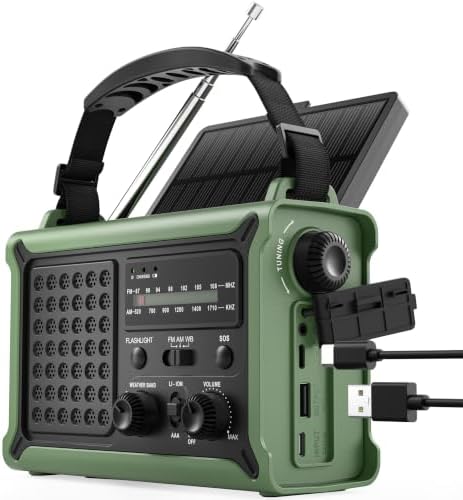
- Portable power bank
- Charging cables
- Handheld aviation radio
- Compatible satellite communication device
Do not assume cellular service will be available over remote terrain.
3. Handheld Aviation Radio
A portable aviation radio can provide an independent communication option if installed aircraft communication equipment becomes unavailable.
However, handheld VHF range can vary dramatically depending on altitude, terrain, antenna position and line of sight.
It should not be assumed that a portable radio will always reach ATC or another aircraft.
Pilots who carry one should know how to operate it before an emergency occurs.
4. Satellite Communication
For flights beyond reliable cellular coverage, satellite communication can add another communication option.
Depending on the device and service, capabilities may include messaging, position sharing and emergency assistance functions.
Coverage, subscriptions, battery status and operating limitations should all be understood before departure.
5. Emergency Locator Equipment
Aircraft may carry emergency locator equipment according to applicable regulations and aircraft configuration.
Pilots should understand what emergency equipment is installed, how it functions and any applicable inspection or maintenance requirements.
Portable personal-location devices may also provide additional capability depending on the region and operation.
6. First Aid Kit
A first aid kit belongs near the top of a survival-equipment list.
The contents should be appropriate for the number of occupants and type of operation.
A practical kit may include basic supplies for dealing with common injuries until professional medical assistance becomes available.
Just as important as carrying supplies is understanding how to use them.
7. Water
Water can quickly become a critical survival issue.
The amount carried should reflect the number of occupants, route, temperature and expected environment.
For remote operations, pilots may also consider appropriate methods for treating additional water if necessary.
Water-treatment methods have different capabilities and limitations, so understand the equipment before relying on it.
8. Food
Food is generally easier to manage than water, but carrying compact emergency food can still be useful.
Consider items that are:
- Compact
- Calorie-dense
- Easy to store
- Simple to eat
- Appropriate for the climate
- Reasonably shelf-stable
Remember to inspect expiration dates and replace old supplies periodically.
9. Shelter
Exposure to the environment can become a serious concern long before food does.
A lightweight emergency shelter, tarp or similar protection can help occupants reduce exposure to wind, rain, snow or intense sun.
The correct shelter depends heavily on where you fly.
10. Emergency Blankets
Compact emergency blankets take very little space and can provide another layer of protection against environmental exposure.
They can also have signaling value because reflective material may be easier to see than natural terrain.
They should not necessarily be viewed as a complete substitute for clothing and shelter appropriate to the conditions.
11. Appropriate Clothing
One of the easiest survival mistakes can happen before takeoff: wearing clothing appropriate for the cockpit but inappropriate for the terrain below.
If flying over cold wilderness, consider what would happen if you had to spend several hours outside.
Useful seasonal items may include:
- Warm layers
- Gloves
- Hat
- Rain protection
- Appropriate footwear
- Extra socks
- Sun protection
12. Fire-Starting Equipment
Where conditions permit safe use, the ability to create a fire can help with warmth, signaling and morale.
Pilots may consider carrying more than one appropriate fire-starting method.
Any use of fire must account for wildfire risk, local restrictions, available materials and environmental conditions.
13. Flashlight
A flashlight is useful both in normal aviation operations and emergency situations.
For survival use, consider:
- Battery life
- Durability
- Weather resistance
- Simple controls
- Spare batteries or charging options
- Low-output modes for conserving power
A headlamp can also be useful because it leaves both hands available.
14. Signaling Equipment
Being able to survive is only part of the problem. Rescuers also need to locate you.
Useful signaling equipment can include appropriate visual and audible devices such as:
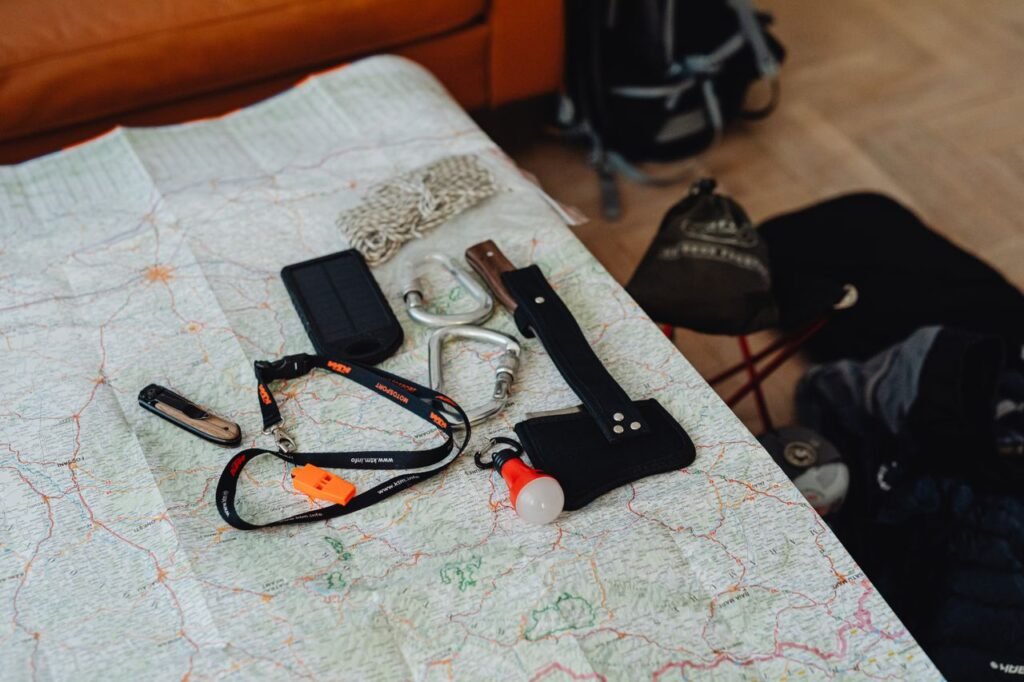
- Signal mirror
- Whistle
- High-visibility material
- Flashlight
- Strobe or compatible signaling light
The goal is to make yourself easier to detect from both the air and ground.
15. Signal Mirror
A signal mirror is lightweight, requires no batteries and can potentially attract attention over considerable distances under suitable daylight conditions.
As with other survival tools, practice and understanding improve usefulness.
16. Whistle
A whistle is another simple item that takes almost no room in a survival kit.
It can provide an audible signal without requiring the same physical effort as repeatedly shouting.
17. High-Visibility Material
Natural environments contain large areas of similar colors.
Brightly colored or reflective material can make a survival location more noticeable.
Visibility from the air should be considered when choosing signaling equipment.
18. Multi-Tool
A compact multi-tool can provide several useful functions without requiring a large toolbox.
Depending on the model, useful features might include:
- Pliers
- Screwdrivers
- Cutting tools
- File
- Scissors
- Small saw
Choose tools you understand how to use and check applicable transportation or legal restrictions when carrying them.
19. Cordage
Lightweight cord can have many uses in a remote environment.
It may help with shelter construction, securing equipment or other basic camp tasks.
As with any survival equipment, simple items become more useful when the user has practiced with them.
20. Navigation Backup
After an emergency landing, the navigation problem may change completely.
Your aircraft GPS or tablet may no longer be the only relevant tools.
Depending on the region, appropriate backups might include:
- Offline maps
- Paper map
- Compass
- Portable GPS
- Satellite communicator with mapping
However, leaving an aircraft after an emergency landing can make search and rescue more difficult in some circumstances. Decisions about movement should be based on the actual situation, training and appropriate guidance.
21. Power Banks
Modern survival planning increasingly depends on electronics.
Phones, satellite communicators, GPS devices and other equipment all require power.
A charged portable battery pack can extend the useful life of these devices.
Keep compatible cables with the battery rather than assuming one will be available when needed.
22. Keep Electronics Charged
Emergency electronics are much less useful when their batteries are nearly empty before departure.
Before remote flights, include battery status in your preparation.
Check:
- Phone
- Tablet
- Power bank
- Handheld radio
- Satellite communicator
- Flashlights
- GPS devices
23. Waterproof Storage
Water can quickly damage documents, electronics and supplies.
Water-resistant or waterproof storage can help protect critical equipment.
Even simple organization inside the survival bag can make equipment easier to locate when conditions are poor.
24. Personal Medication
Pilots and passengers who depend on personal medication should consider what would happen if a diversion or emergency delayed arrival significantly.
Medication planning is personal and may require attention to storage conditions, dosage timing and prescription requirements.
Consult appropriate medical professionals when necessary.
25. Sun Protection
Survival planning is not only about cold weather.
In exposed environments, protection from the sun can become important.
Consider appropriate:
- Sunscreen
- Sunglasses
- Hat
- Lightweight protective clothing
- Shelter from direct sunlight
26. Insect Protection
In some regions and seasons, insects can become a significant problem.
Appropriate insect protection can improve comfort and reduce exposure to bites.
This is another example of why survival equipment should be tailored to the environment rather than copied from a generic checklist.
27. Gloves
Gloves can serve more than one purpose.
They may provide warmth in cold environments and hand protection while handling damaged materials, vegetation or survival equipment.
The appropriate type depends on the conditions you expect to encounter.
28. Duct Tape
A modest amount of strong repair tape can be useful for temporary non-aircraft survival tasks, shelter organization or equipment repairs.
It should not be treated as a substitute for approved aircraft maintenance or repairs.
29. Basic Hygiene Supplies
For flights over particularly remote terrain, a small amount of basic hygiene equipment can make an unexpected overnight situation easier to manage.
The goal is not comfort comparable to a camping trip. It is maintaining basic cleanliness and reducing unnecessary problems while waiting for assistance.
30. A Survival Kit Must Be Accessible
This is one of the most important considerations.
A beautifully prepared survival kit is of limited value if occupants cannot reach it after an emergency landing.
Think carefully about where the equipment is stored.
Ask yourself whether you could reach your critical survival equipment if normal baggage access became difficult after an emergency landing.
31. Consider a Personal Survival Kit
Some pilots separate survival equipment into two levels.
The aircraft may carry a larger survival bag, while critical personal items remain physically close to the pilot.
The exact approach depends on the aircraft, operation and environment, but the principle is worth considering: not every critical item should necessarily be stored in one inaccessible location.
32. Weight Still Matters
Survival equipment adds weight.
Pilots must account for all equipment when calculating aircraft weight and balance and operating limitations.
The objective is not to carry unlimited equipment.
It is to select equipment appropriate for the actual risk while respecting aircraft limitations.
33. One Kit per Aircraft or per Person?
Some equipment can serve the entire group, while other supplies need to reflect the number of occupants.
Water, food, temperature protection and medical needs can change significantly when carrying passengers.
A survival plan designed for one pilot may be inadequate when four people are aboard.
34. Tell Someone Where You’re Going
Technology and equipment are only part of emergency preparedness.
Appropriate flight planning, flight plans or flight itineraries, position reporting and communication practices can significantly affect how quickly an overdue aircraft is recognized and located.
Follow the procedures and requirements appropriate to your jurisdiction and operation.
35. Don’t Rely on Your Phone Alone
A smartphone is extremely useful, but it has limitations.
Cellular coverage may disappear, batteries can run down and devices can be damaged.
For remote flying, redundancy becomes important.
Think in layers rather than relying on one device to solve every problem.
36. Survival Gear for Cold Environments
Cold-weather flying requires particular attention to exposure.
Depending on conditions, equipment may need to emphasize:
- Insulated clothing
- Warm gloves
- Winter headwear
- Appropriate footwear
- Additional shelter
- Fire-starting capability
- Cold-resistant power planning
Extremely cold environments require specialized preparation beyond a generic survival checklist.
37. Survival Gear for Hot Environments
Hot or arid environments create a different set of priorities.
Water, shade and sun protection can become particularly important.
High daytime temperatures can also be followed by unexpectedly cold nights in some regions.
Plan for the entire daily temperature range, not just the conditions at departure time.
38. Survival Gear for Mountain Flying
Mountain terrain can combine difficult access, rapidly changing weather and large temperature differences.
Specialized mountain-flying training and preparation can be far more important than simply adding equipment to the aircraft.
Survival equipment should complement — not replace — appropriate training and conservative decision-making.
39. Survival Gear for Flights Over Water
Overwater flying introduces a completely different survival environment.
Depending on the operation, route and regulations, specialized flotation and survival equipment may be required or appropriate.
A wilderness survival bag designed for land operations should not automatically be considered adequate for overwater flight.
40. Inspect Your Survival Kit Regularly
A survival kit should not be packed once and forgotten for five years.
Periodically inspect:
- Food expiration dates
- Water containers
- First aid supplies
- Medication
- Batteries
- Power banks
- Flashlights
- Communication devices
- Clothing
- Fire-starting equipment
- Water-treatment supplies
Seasonal changes are also a good reason to review the contents.
Pilot Survival Gear Checklist
Core Categories to Consider
- First aid kit
- Water
- Appropriate emergency food
- Emergency shelter
- Emergency blanket
- Season-appropriate clothing
- Flashlight or headlamp
- Spare batteries
- Power bank and cables
- Handheld aviation radio
- Appropriate satellite communication device
- Signaling mirror
- Whistle
- High-visibility material
- Multi-tool
- Cordage
- Appropriate fire-starting equipment
- Offline navigation resources
- Sun protection
- Insect protection when appropriate
- Personal medication
- Water-resistant storage
Build the Kit Around the Flight
| Environment | Additional Priorities |
|---|---|
| Cold / Winter | Insulation, shelter, gloves, footwear, cold-weather power planning |
| Hot / Desert | Water, shade, sun protection and heat management |
| Forest / Wilderness | Communication, signaling, shelter, insect protection and water planning |
| Mountain | Temperature protection, signaling, specialized training and communication |
| Remote Northern Areas | Cold protection, robust communication, shelter and extended-delay planning |
| Overwater | Appropriate flotation and specialized overwater survival equipment |
What Should Be Most Accessible?
Consider keeping the most critical items in locations that can be reached quickly.
Priorities may include:
- Communication or alerting equipment
- First aid
- Protection from immediate environmental exposure
- Water
- Signaling equipment
- Flashlight
The exact order will depend on the emergency and environment.
Survival Equipment Is Only One Layer
The strongest survival strategy begins long before an emergency.
It includes:
- Good flight planning
- Weather awareness
- Aircraft maintenance
- Fuel planning
- Appropriate training
- Route selection
- Communication planning
- Understanding the terrain
- Knowing your aircraft
- Carrying appropriate equipment
Equipment is valuable, but it should support good decision-making rather than create confidence that unnecessary risks can be accepted.
Frequently Asked Questions
What survival gear should pilots carry?
The appropriate equipment depends on the route and environment, but common categories include communication and signaling equipment, first aid, water, shelter, temperature protection, illumination, food and basic tools.
Do pilots need a survival kit?
Requirements vary by jurisdiction and operation. Even where a particular kit is not specifically required, pilots flying over remote terrain may choose to carry equipment appropriate to the environment and possible rescue delay.
Should pilots carry a satellite communicator?
A compatible satellite communication device can provide an additional communication option in areas without reliable cellular coverage. Whether it is appropriate depends on the route, operation and available services.
Should pilots carry a handheld aviation radio?
Many pilots choose to carry one as an independent backup communication option. Its usefulness depends on factors including altitude, terrain, antenna position and line of sight.
What is the most important survival item for a pilot?
There is no single item that solves every survival problem. Communication, environmental protection, water, first aid and signaling can all become critical depending on the circumstances.
Where should a survival kit be stored in an airplane?
It should be secured appropriately and considered in weight-and-balance planning, while remaining reasonably accessible if needed. The exact location depends on the aircraft and operation.
Should a survival kit change between summer and winter?
Yes. Seasonal conditions can dramatically change temperature, water requirements, clothing, shelter needs and other survival priorities. The kit should be reviewed as conditions change.
Is a phone enough for remote flying?
A smartphone is useful but should not automatically be relied upon as the only emergency communication method in areas where cellular coverage may be limited or unavailable.
Prepare for the Terrain Below You
Remote flying does not mean filling the aircraft with unnecessary survival equipment. It means thinking realistically about what could happen if a flight unexpectedly ended somewhere far from immediate assistance.
Build your kit around the environment, season, route and people aboard. Prioritize communication, signaling, first aid, water and protection from the elements, then add equipment appropriate to the specific risks of the flight.
Most importantly, survival gear should be the final layer of a much larger safety strategy built around good planning, training, aircraft condition and sound aeronautical decision-making.