A long-haul flight is much easier when the things you actually need are within reach. The goal is not to fill your carry-on with every possible travel accessory. It is to pack the right combination of documents, comfort items, electronics and basic necessities without creating another heavy bag to manage.
This long-haul flight packing checklist focuses on what is useful before boarding, during the flight and immediately after landing. Use it as a starting point and adjust it for your destination, airline, trip length and personal needs.
Short answer: Keep travel documents, medications, valuables, essential electronics, a charging cable, an extra layer, basic toiletries and at least one change of clothing in your carry-on. Add comfort and entertainment items according to the length of your flight and available space.
Long-Haul Flight Packing Checklist
If you want to start packing immediately, use this checklist first. The sections below explain why each category matters and what you may want to leave at home.
🛂 Documents & Essentials
- Passport and required visas
- Boarding pass
- Wallet and payment cards
- Travel insurance information
- Hotel and transportation details
- Required medications
🔌 Electronics
- Phone
- Charging cables
- Power bank if permitted
- Headphones
- Tablet or e-reader if desired
- Destination plug adapter
😴 Comfort
- Light sweater or extra layer
- Neck pillow if you use one
- Eye mask
- Earplugs
- Comfortable socks
- Empty reusable water bottle
🪥 Personal Care
- Toothbrush and toothpaste
- Deodorant
- Lip balm
- Moisturizer
- Hand sanitizer
- Change of underwear and shirt
1. Keep Important Documents in Your Carry-On
Your passport, boarding pass and any documents required to enter your destination should stay with you rather than in checked baggage. The same principle applies to valuables and items that would be difficult to replace during the trip.
Depending on your journey, it can also be useful to keep your hotel confirmation, transportation information, travel insurance details and important contact information accessible on your phone. Downloading important information for offline access is useful when you cannot immediately connect to airport Wi-Fi or mobile data.
Before leaving home, make sure important travel information is available even if your phone temporarily has no internet connection. A screenshot or offline copy of a hotel address, booking number or itinerary can be surprisingly useful after landing.
2. Pack Medication and Irreplaceable Items Carefully
Essential medication generally belongs in your carry-on rather than checked luggage. Checked bags can be delayed, misrouted or unavailable for hours after landing.
Medication rules can differ between destinations, particularly for prescription or controlled medicines. Before an international trip, verify the requirements of your destination and any countries where you will transit. Keep medication appropriately labelled and carry supporting documentation when required.
3. Dress for Changing Cabin Temperatures
Cabin temperature can feel comfortable at one point and chilly later, so layers are usually more practical than one heavy piece of clothing. A T-shirt or breathable base layer combined with a light sweater, hoodie or jacket gives you flexibility without taking up too much space.
For a long flight, prioritize clothing that remains comfortable after several hours of sitting. Shoes should also be comfortable enough for walking through large terminals and handling connections.
An extra pair of socks can be useful, and if you are checking a bag, consider keeping at least a clean shirt and underwear in your carry-on.
4. Choose Comfort Items You Will Actually Use
Travel accessories can quickly fill a carry-on. Instead of packing every available comfort product, think about what genuinely helps you rest.
| Item | Why You Might Pack It |
|---|---|
| Neck pillow | Useful if you normally struggle to support your head while sleeping upright. |
| Eye mask | Helps reduce cabin light when you want to rest. |
| Earplugs | A compact option for reducing surrounding cabin noise. |
| Headphones | Useful for entertainment and reducing distractions. |
| Extra layer | Helps when the cabin feels colder than expected. |
If you rarely sleep on airplanes, carrying a bulky pillow may not be worth sacrificing valuable bag space. Pack according to how you actually travel rather than according to a generic list.
5. Electronics and Entertainment
Your phone may already cover most of what you need: boarding passes, maps, books, music, podcasts, movies and communication. A tablet or e-reader can be worthwhile on longer journeys, but only if you expect to use it.
Download entertainment before leaving home. Aircraft Wi-Fi varies by airline and aircraft, and it may be unavailable, limited or require payment. Offline movies, podcasts, playlists and books remove that dependency.
Don’t forget the small things
- The correct charging cable for each device
- Headphones and any required adapter
- A destination plug adapter if necessary
- A power bank that complies with applicable airline rules
6. Build a Small In-Flight Hygiene Kit
You do not need your entire bathroom cabinet. A small pouch containing the basics can make a long travel day much more comfortable.
- Toothbrush and small toothpaste
- Deodorant
- Hand sanitizer
- Tissues
- Lip balm
- Small moisturizer
- Any personal-care item you know you will need
Keep liquids and gels organized so they are easy to access if security screening requires them to be presented separately.
7. Snacks and Water
Bringing a few familiar snacks is useful when meal service does not match your normal schedule or when you have a long connection. Compact foods such as bars, crackers, nuts or dried fruit can work well, subject to allergies and destination rules.
An empty reusable water bottle can also be convenient because many airports provide refill stations after security.
8. Prepare for a Delayed Checked Bag
One of the most practical ways to decide what belongs in your carry-on is to ask a simple question: What would I need if my suitcase did not arrive today?
For many travelers, the answer includes medication, essential toiletries, phone chargers, valuables and a basic change of clothes. You do not need to duplicate your entire suitcase. The goal is simply to be functional for the first part of your trip.
If you are travelling with another person and checking multiple bags, consider dividing some essential clothing between the suitcases. That way, one delayed bag does not necessarily leave one traveler without everything.
9. Commonly Forgotten Travel Items
The easiest things to forget are often the smallest. Before closing your bag, do a final check for:
- Phone charging cable
- Headphones
- Destination plug adapter
- Prescription medication
- Glasses or contact-lens supplies
- Toothbrush
- Reusable water bottle
- Downloaded boarding pass or airline app
- One extra layer of clothing
Keeping a reusable packing checklist on your phone can make this final check much faster on future trips.
10. What Should Not Go in Your Carry-On?
Carry-on restrictions depend on the country, airport, airline and type of item. Sharp objects, certain tools, weapons and other restricted items may be prohibited or subject to specific conditions. Liquids, aerosols and gels may also be subject to security limits.
Battery-powered devices deserve particular attention because lithium battery rules can determine whether an item belongs in the cabin, checked baggage or cannot be transported at all.
Rather than assuming a rule you remember from a previous trip still applies, check the current information published by your departure airport, airline and relevant security or aviation authority.
11. How to Save Space Without Overpacking
Efficient packing is less about fitting the maximum possible amount into a bag and more about eliminating things you are unlikely to use.
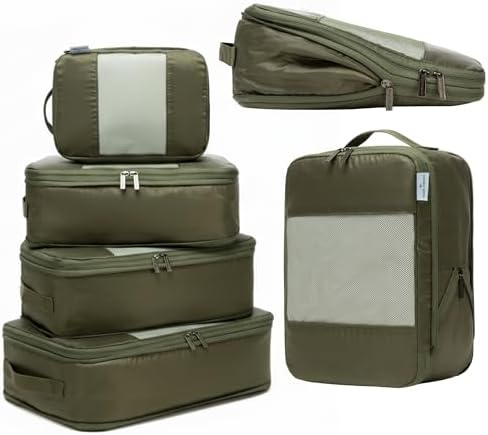
- Use packing cubes to separate clothing and make items easier to find.
- Choose versatile clothing that can be worn in more than one combination.
- Wear bulkier items rather than using valuable carry-on space for them.
- Use travel-size toiletries instead of full-size containers.
- Keep frequently used items accessible instead of burying them at the bottom of your bag.
- Leave unnecessary duplicates at home.
Remember that a perfectly packed bag is not helpful if it exceeds your airline’s size or weight allowance. Check your specific ticket and airline because carry-on allowances can differ substantially.
First Long-Haul Flight? Keep It Simple
Your first long flight does not require a suitcase full of specialized travel gear. Start with the essentials: documents, medication, comfortable clothing, basic toiletries, electronics and something to keep you entertained.
Arrive with enough time to complete check-in and security without rushing. Keep documents accessible, download anything you want to use offline and check your airline’s baggage rules before leaving home.
Once onboard, organize the few items you expect to use during the flight so you do not repeatedly open the overhead compartment. Everything else can stay packed until arrival.
Frequently Asked Questions
What should I always pack in my carry-on for a long flight?
Prioritize documents, required medication, valuables, essential electronics, chargers and items you would need if your checked baggage were delayed. A basic change of clothes and small hygiene kit can also be useful.
Should I bring a neck pillow on a long-haul flight?
It depends on how you sleep while travelling. If a neck pillow helps you rest upright, it may be worth the space. If you rarely use one, a bulky pillow can become something you carry around for the rest of the trip.
Can I bring food on an international flight?
Some foods can be carried through security, but airline, security, customs and agricultural restrictions vary. Check the requirements for your departure point and destination, particularly before carrying fresh food, meat, dairy, fruit or vegetables.
Can I bring a power bank on a plane?
Power banks contain lithium batteries and are subject to aviation safety requirements. Rules can include limits on battery capacity and where the battery must be carried. Verify the current policy of your airline and applicable aviation authority before flying.
What should I pack in case my checked luggage is delayed?
Keep medication, important documents, valuables, essential electronics, basic toiletries and at least a small change of clothing in your carry-on. Think about what you would need for roughly the first day without your suitcase.
Pack for the Journey, Not Every Possibility
A good long-haul packing list should make travel easier, not give you another oversized bag to manage. Start with what cannot be replaced easily, add the items that keep you comfortable and entertained, and leave unnecessary extras behind.
Finally, check your airline’s current baggage allowance and the applicable security, customs and battery requirements before you leave. Those rules can change and may differ from one journey to another.